
This is an elective course covering the foundations of modern intelligent systems we utilize today. Lectures cover in-depth discussions to the general concept of artificial intelligence, rule-based expert systems, search, and machine learning techniques. Implementation of these concepts will be self-exploratory and students are given the freedom to choose to between C/C++, C#, or Python programming language. Random implementation reviews and critical analyses will be conducted to demonstrate understanding of the topics. At the end of this course, each student will select a small-scale problem in which they will build an intelligent system as part of the solution.
- Faculty: Jomari Joseph Barrera

This course introduces the fundamental concepts and principles of modern operating systems, including their roles, structures, and major functions in managing computer system resources. It covers key areas such as process management, memory management, file systems, storage management, and selected issues in operating system design and implementation. The course also includes laboratory activities and selected readings to support students' understanding of operating system concepts through practical and simulation-based exercises.
- Faculty: Eugene Val Mangaoang

- Faculty: Rodney Maniego Jr
- Faculty: Jude Rola
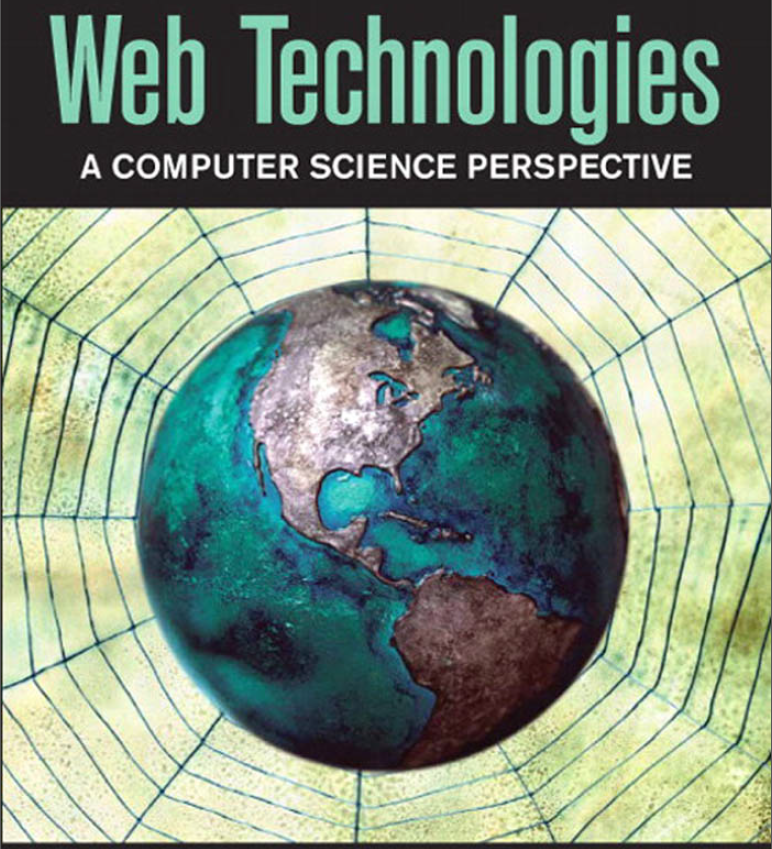

This course aims in providing students:
- the fundamental knowledge with respect to Web technologies that were being used in modern times in developing Web Systems, and
- expose students to the latest and most in demand web development tools that will prepare them in a real-world development environment while having to learn a solid foundation on a web development.
It provides a careful introduction to the key technologies that have been developed and has been part of the World wide web for many decades such as but not limited to HTML, CSS, Bootstrap, and JavaScript for the front-end technologies. Whereas, Java web technologies will be used for the back-end development emphasizing implementations in Servlet and JSP’s as such strongly focuses on the concept on how server-side development works. Students, therefore, will be able to quickly adapt to conceptually related technologies in the future. It also uses MySQL as the database.
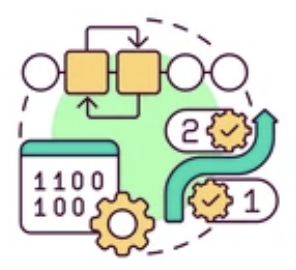
The course introduces some fundamental concepts in automata theory and formal languages including grammar, finite automaton, regular expression, formal language, pushdown automaton, and Turing machine. This also presents the correspondence between language classes and the automata that recognize them.
- Faculty: Eugene Val Mangaoang
This course covers the fundamental concepts, applications and implementation techniques of intelligent systems. This emphasizes on methods and tools such as knowledge-based and computational intelligence. Knowledge based systems include expert and rule-based system while computational intelligence includes fuzzy systems, neural networks and genetic algorithms.
- Faculty: Jonah Flor OraÐo

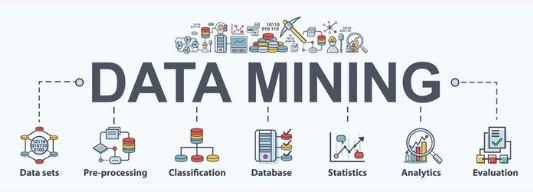
The course deals with business analytics procedures that go beyond tallying, descriptive analytics, describing, and techniques founded on business rules. It uses data analytics methods such as statistics and machine learning that assist in decision-making in an automated way. The concepts, techniques, and applications are implemented in R and other current tools. R is an open-source free programming language for statistical computing, data analysis, and visualization.
- Faculty: Jude Rola