- Faculty: Jomari Joseph Barrera
- Faculty: Eugene Val Mangaoang

- Faculty: Rica Mae O. Vicente
- Faculty: Carlo Jude Abuda
- Faculty: James G. Amith
- Faculty: Jomari Joseph Barrera
- Faculty: Rodney Maniego Jr
- Faculty: Kent Claire Apple Joy Pallomina
- Faculty: Jude Rola
- Faculty: James Frances C. Zamora

Supercomputers have
achieved great performance speedup due to the process technology of single core
processors. But soon, the manufacturing process would push single core
processors out of favor to multi-core processors. Thus, computational power of
most recent processor is achieved through parallel computing. Although parallel
computing is referred to tightly linked processor cores, distributed computing
which is another form of parallel computing owes its advances to networked
computers sharing resources. To maximize the computing capability, parallel and
distributed computing with the interaction of hardware and software is an
essential must.
- Faculty: Graeme Xyber Pastoril
- Faculty: Michael Anthony Jay Regis
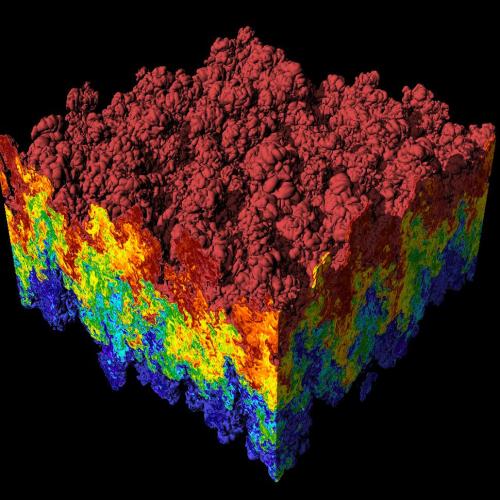
Computational studies in natural sciences, mathematics and engineering
are now immense due to the ever increasing dependence on computer simulations
and computational ability. Computational science heavily lean on using Python
programming language since it provides powerful tools in a relatively clean,
simple, and compact syntax. It is quite similar to Matlab with numerous
libraries that are intended for data handling, visualization and manipulation,
scientific computing algorithms, symbolic computing etc. With the world being
packed with data on scientific research and engineering, analyzing and
visualizing these dataset are now of high demand.
- Faculty: Michael Anthony Jay Regis

- Faculty: Magz Cesar
- Faculty: Magdalene Cesar Unajan
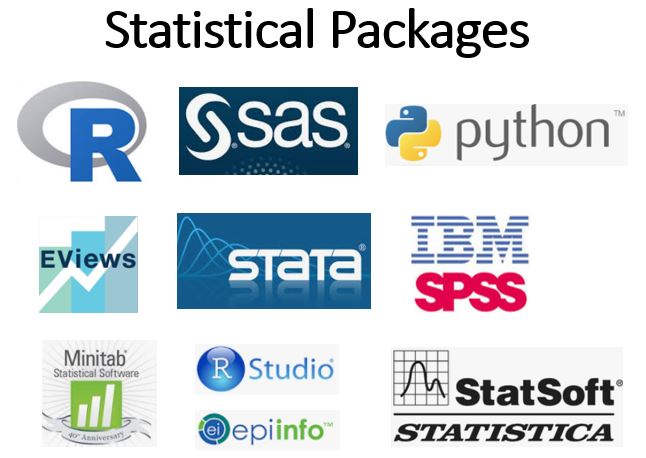
This course covers programming using commonly used statistical software such as R and Stata for data management and analysis.
- Faculty: Paulo Batidor
Many basic concepts and strategies in research transcend the boundaries of specific academic areas, and such concepts and strategies are at the heart of this course. To some degree, certainly, research methods do vary from one subject area to another: A biologist might gather data by looking through a microscope, a historian by examining written documents from an earlier time period, and a psychologist by administering certain tests or systematically observing people’s behavior. Otherwise, the basic approach to research is the same. Regardless of the discipline, the researcher identifies a question in need of an answer, collects data potentially relevant to the answer, analyzes and interprets the data, and draws conclusions that the data seem to warrant. - - - Paul D. Leedy and Jeanne Ellis Ormrod (2015)

- Faculty: Eugene Val Mangaoang
- Faculty: Jude Rola
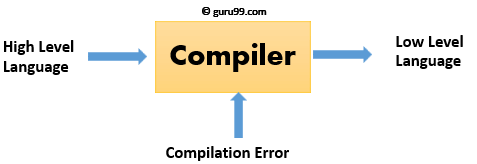
The course will introduce the models, theory, and algorithms associated
with compiler design which can be applied to a wide range of problems in
software design and software development.
- Instructor: Eugene Val Mangaoang