- Faculty: Rotsen Labisores
- Faculty: Jhean Arleth Saja
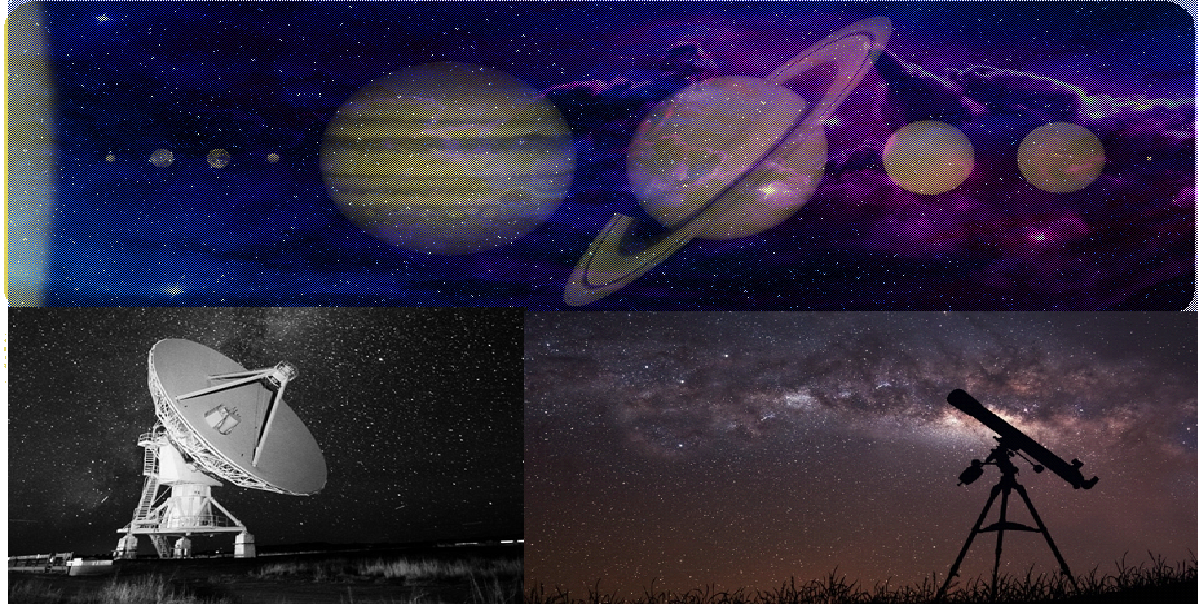
Acquiring data from observations of astronomical objects, which is then
analyzed using basic principles of physics and development of computer or
analytical models to describe astronomical objects and phenomena.
- Faculty: Olive Ann Anonar
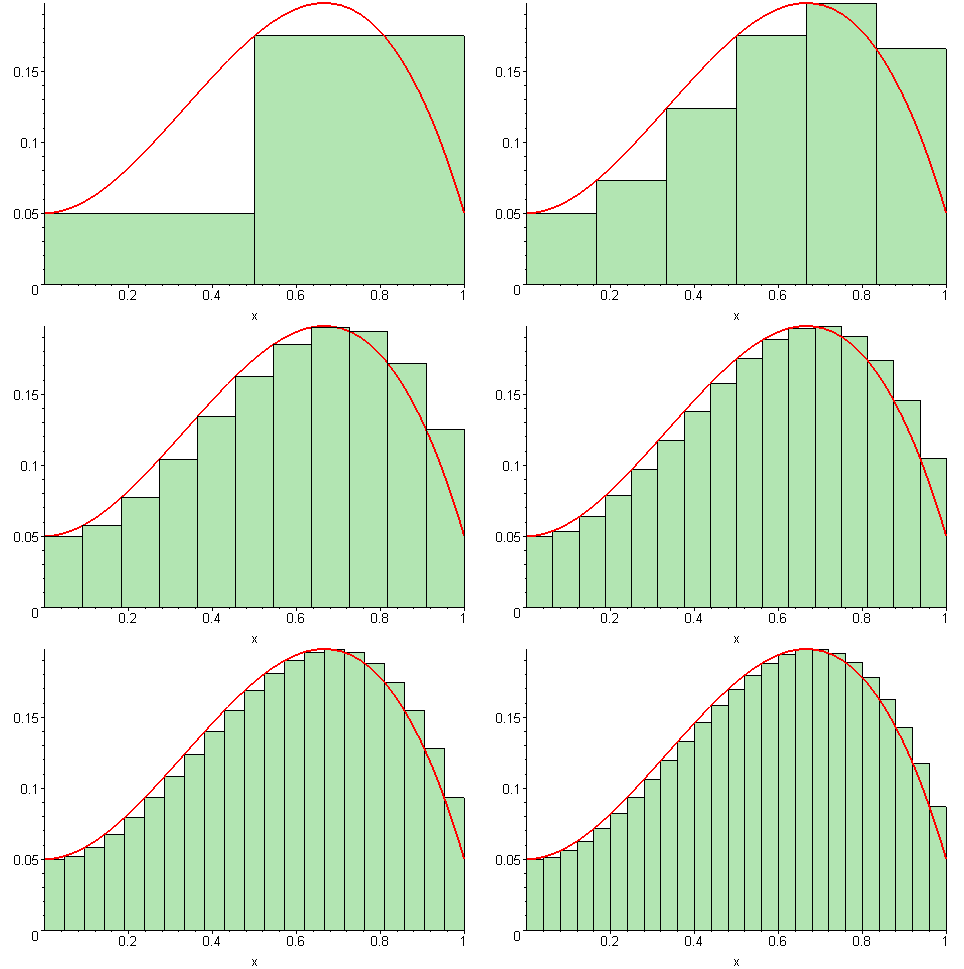
This course covers
application of derivatives such as rectilinear motion, related rates, curve
sketching and finding extreme values. This also covers the concept of
integration and its application to physical problems such as evaluation of
areas, volumes of revolution, force and work; fundamental formulas and various
techniques of integration applied to both singe variable and multi-variable
functions; tracing of functions of two variables.
- Faculty: Allan Cano
- Faculty: James Roy Lesidan
- Faculty: Divina Valenzona
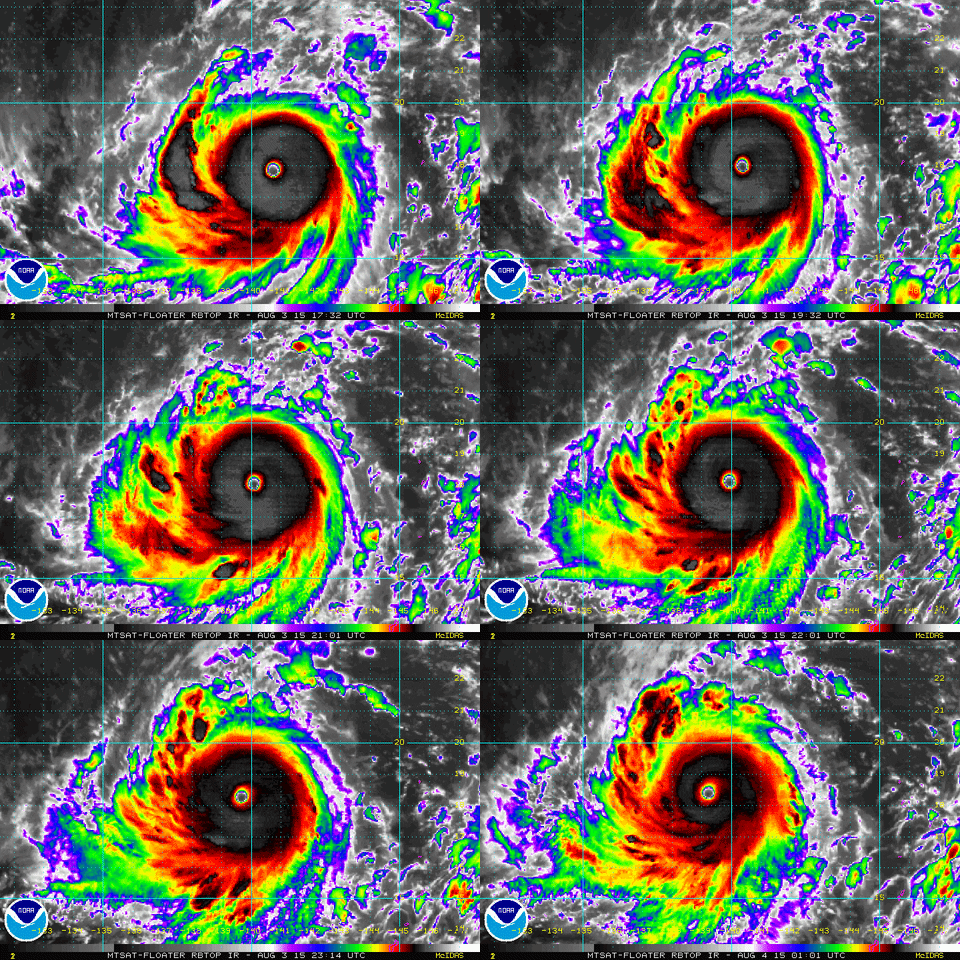
Study
of large-scale circulation of the atmosphere and its relationship to surface
weather. Introduction to observational reports, map analysis, and numerical
weather prediction products (wind, pressure, and temperature field; synoptic
weather system; cyclogenesis and frontogenesis)
- Faculty: Charlie Andan
- Faculty: Rotsen Labisores