Building construction is examined from the standpoints of life safety;
architectural and building service systems; materials, sustainability, and
life-cycle analysis; accessibility; technical documentation and outline
specifications; building enclosure systems; and interior finish systems. The
discussion will focus on developing knowledge of building systems and will
foster the skills required to adopt a building system approach compliant to the
National Building Code and its referral codes. The students’ developed
knowledge of building systems will also include understanding of different
types and applications of building materials and diverse construction techniques.
Sustainability principles’ impact on the property lifecycle, and how these will
integrate and apply to skills and knowledge to industry-based case studies will
also be examined. Tools and techniques to create a computer-generated building
model, and applied tools for working with computer model exploring output and
simulation will also be introduced. Students will develop techniques looking at
both realistic and schematic representation, and the integration of building
systems modeling as a tool to inform and enhance the design process.
- Faculty: Ben Daniel N. Gamutan
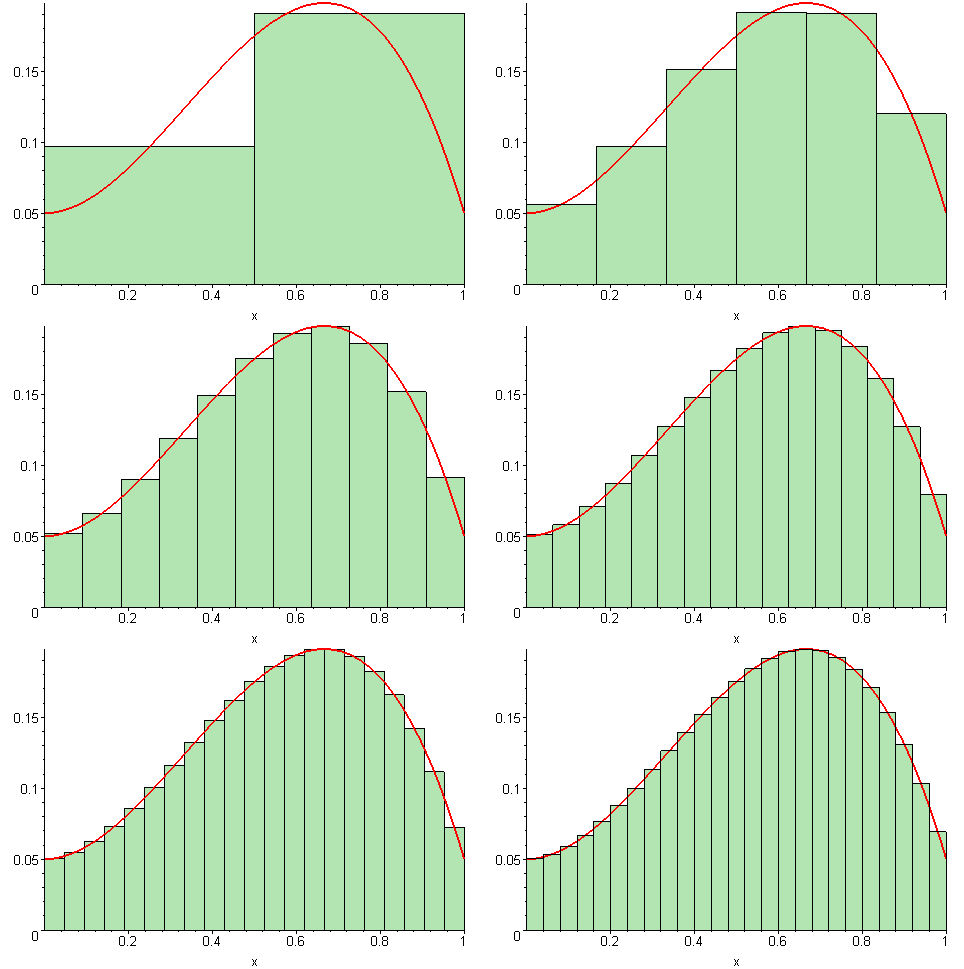
The course provides background on numerical analysis needed to solve civil engineering problems numerically when their analytical solution is either not available or difficult to obtain. C++ programming environment or its equivalent will be introduced and used in the course.
- Faculty: Andy Phil Cortes
- Faculty: Regie Faith Millan
- Faculty: Delly Jane L. Pundavela

The course emphasizes the continuity equation, energy equation, and momentum equation. Familiarization of the properties of common liquids in the study of hydraulics. Application of fundamental principles to solve problems involving liquid pressure and corresponding forces resulting from this pressure. Applications of appropriate equations in performing calculations involving flow velocity, flow rate, and forces exerted by moving liquids in closed conduits and open channels. Familiarization and applications of flow measuring devices such as orifice, weirs, pitot tube.
- Faculty: Darlyn Abalos
- Faculty: Beatriz Nicolle Oppus
- Faculty: Alberto Pasana
A
professional course common to all civil engineering students designed to
provide fundamental concepts, principles, and theories in the theory of
structures and structural analysis for internal actions in a structure and its
deformations under load.
- Faculty: DEVENAH DAWN DAGOHOY
This course deals
with the development of highways in the Philippines, highway design, and the
materials that are used in road construction and maintenance. The course
includes highway administration; traffic, driver, pedestrian and vehicle
characteristics; geometric design, roadside design, highway and related
structures; intersection, interchanges, terminals; drainage structures; traffic
engineering; asphalt and concrete pavements, survey, plans, estimates,
contracts and supervision, earthworks, bases and sub-bases, highway maintenance
and rehabilitation. The standard specification for Public Works and Highways
will also be discussed and be given emphasis in the discussion.
- Faculty: Lindy Jane Ando
- Faculty: Hanzel Mejia
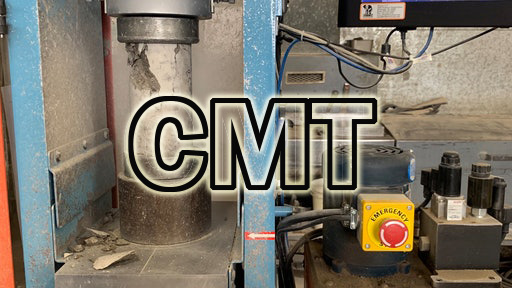
The course deals with the properties of cement, aggregates, steel bars,
asphalt, and other miscellaneous construction materials; Standards procedures
of sampling, testing and quality control of materials; Design mixes for
concrete and bituminous mixtures.
- Faculty: Lindy Jane Ando
- Faculty: Felippe Niño Lusares
- Faculty: Ramil Vinculado