
This course focuses on the principles and practices involved in the planning, design, operation, and performance evaluation of mass transit systems. The course equips students with engineering and analytical tools to address mobility challenges in urban and regional contexts, with emphasis on efficiency, safety, accessibility, and sustainability, particularly within developing-country and Philippine settings.
Course Outcomes (COs)
CO1. Explain the principles, roles, and system characteristics of mass transit systems in addressing mobility, sustainability, and equity challenges, particularly in Philippine urban and regional contexts.
CO2. Apply engineering principles and quantitative methods to plan, design, and evaluate mass transit corridors, networks, and services, considering physical, operational, and traffic interaction constraints.
CO3. Evaluate mass transit system performance, economic viability, and policy implications.
- Faculty: Lindy Jane Ando
This course introduces the principles and practices of airport planning, design, and operations from a civil engineering and transportation perspective. It covers airport system components, design standards, runway and taxiway geometry, terminal capacity and passenger flow, airside operations, and safety, environmental, and sustainability considerations. Emphasis is placed on the application of ICAO and CAAP standards, analytical methods, and real-world case studies.
- Faculty: Lindy Jane Ando
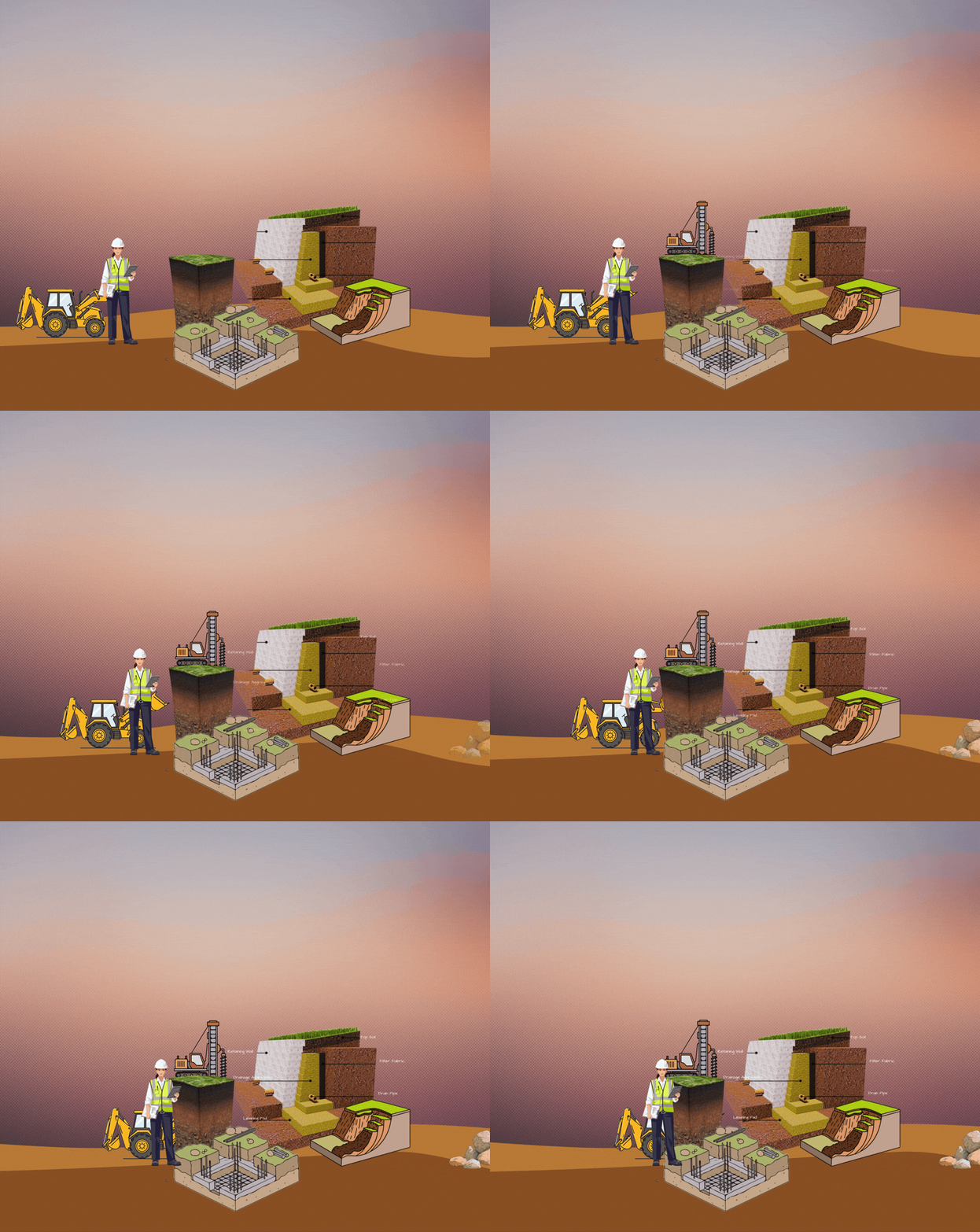
This course provides a comprehensive understanding of the principles and practices involved in the design of foundations and retaining walls. Students will explore the theoretical concepts, practical applications, and modern techniques used in the design and construction of these critical structural elements.
- Faculty: John Christian Gaviola
- Faculty: Delly Jane L. Pundavela
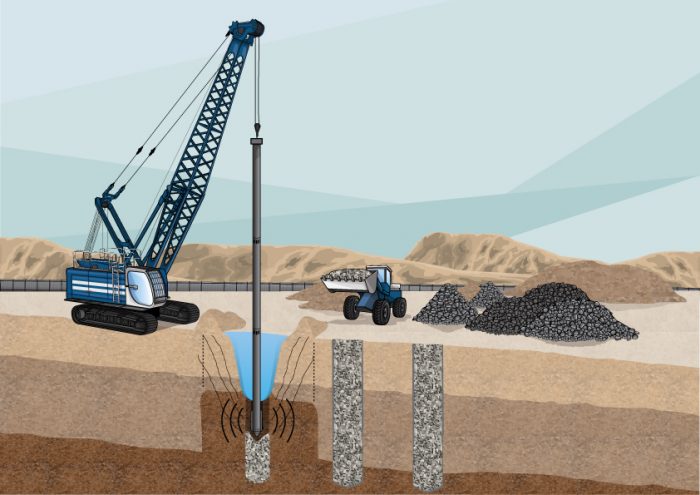
This course covers the
principles, methods, and applications of improving soil and ground conditions
for civil engineering projects built on weak, compressible, or unstable soils.
It introduces major ground improvement techniques such as compaction, reinforcement,
drainage, grouting, and chemical and cement stabilization, with emphasis on how
these methods enhance soil strength, stiffness, and stability. The course
integrates theoretical concepts with practical design, construction, and
quality control considerations, enabling students to select and design
appropriate ground improvement solutions that are safe, economical, and suited
to site-specific conditions.
- Faculty: John Christian Gaviola