- Faculty: Jhon Rey Sardido
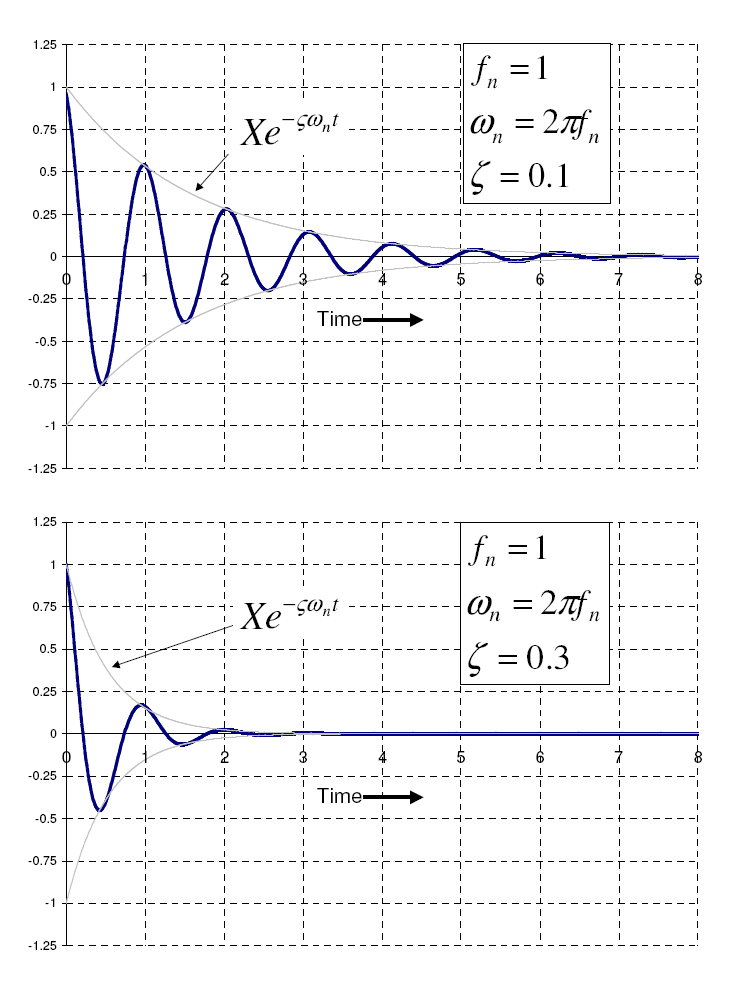
This course deals with the fundamental concepts of vibration as it affects the operation and performance of machine components. It involves modeling of mechanical systems, derivation of the differential equations for such systems and its varying solutions (responses) based on different excitations. Emphases will be on analysis, design, measurement, damping and computational aspects.
- Faculty: Reyland A. Corilla
This course covers the study of the methodologies used in conducting an engineering research. It includes the types and application of research, characteristics of a good research, research design, research instrument and data gathering procedures. It also deals with the study of writing research proposals and various formats
- Faculty: Richard Aballe
- Faculty: Reyland A. Corilla
- Faculty: Gil Martin A. Guape

Materials engineering is, on the basis of these structure-property correlations, designing or engineering the structure of a material to produce a predetermined set of properties.
The course deals with the properties of engineering materials which deals with the six different categories: mechanical, acoustical, electrical, magnetic, chemical, optical and thermal properties.
Laboratory experiments using equipment include tension, compression, bending, shear, torsion and impact tests.
- Faculty: Reyland A. Corilla
- Faculty: Richard Aballe
- Faculty: Jhon Rey Sardido
1. Nuclear Energy Resources - A brief survey of energy demands and resources. Available nuclear energy, back-ground in atomic and nuclear physics; fission and fusion processes, physics of fission reactions- engineering aspects – safety and environmental effects, fusion-including laser fusion and magnetic confinement, and nuclear power economics.
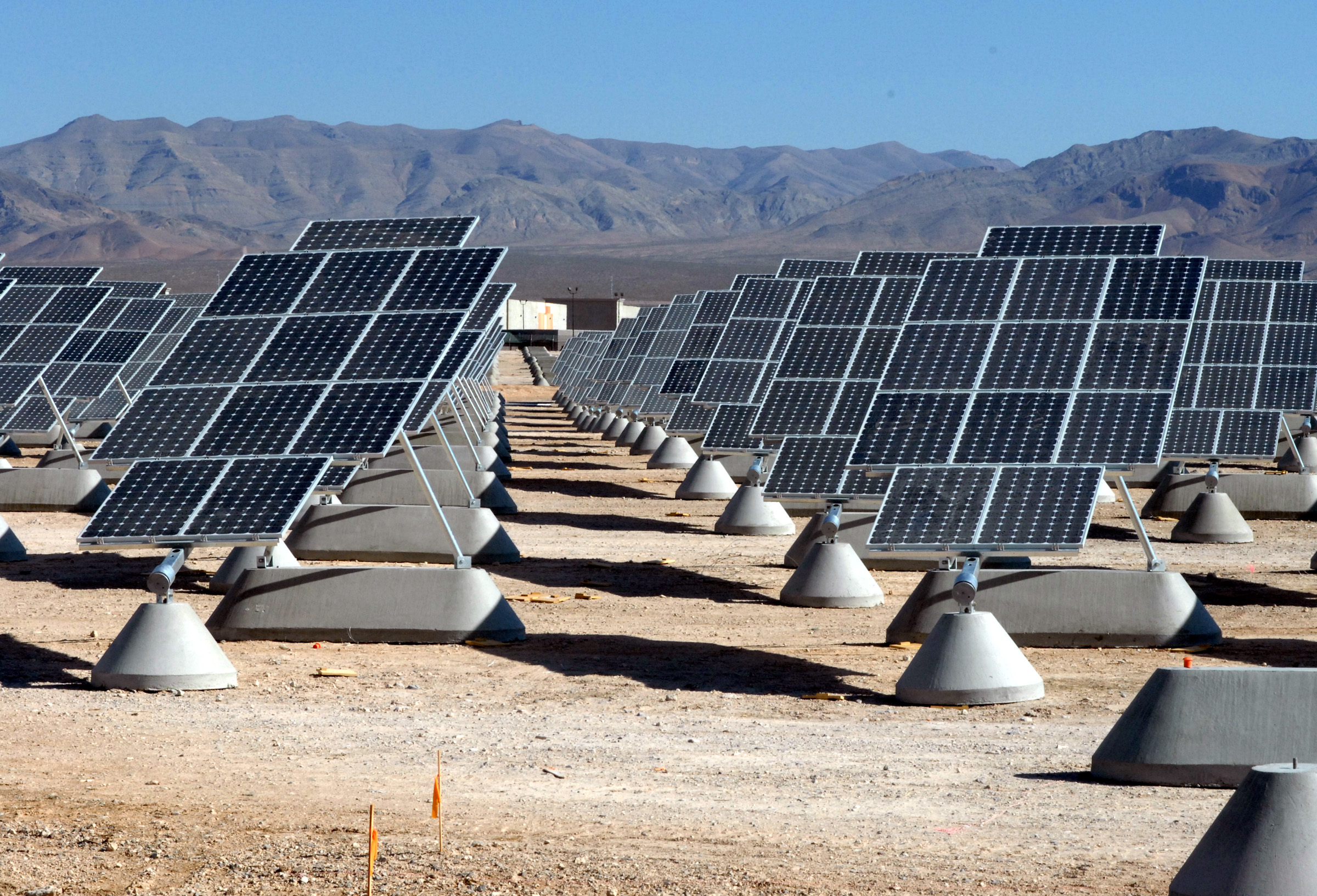
2. Solar Energy and Wind Energy Utilization – Introduction to solar energy and its conversion for use on earth, fundamental of solar collection and thermal conversion, solar heating and cooling systems, wind energy, conversion system of wind energy to mechanical energy, sitting of wind machines and the design of wind power machines.
3. Energy Management in Buildings – Energy audit program for building and facilities, initiating energy management program, guidelines for methods of reducing energy usage in each area in buildings, conservation of the energy in the planning, design, installation, utilization, maintenance and modernization of the mechanical systems in the existing and new building, utilization of microcomputer in the energy management and in automatic controls of air conditioning and ventilation systems in building, and case study of energy saving in buildings.
4. Micro-hydro-electric Power - Design of a micro-hydro-electric power plant
system and its components such as turbine, penstock, electro-mechanical control,
etc.
- Faculty: Richard Aballe
- Faculty: Jhon Rey Sardido
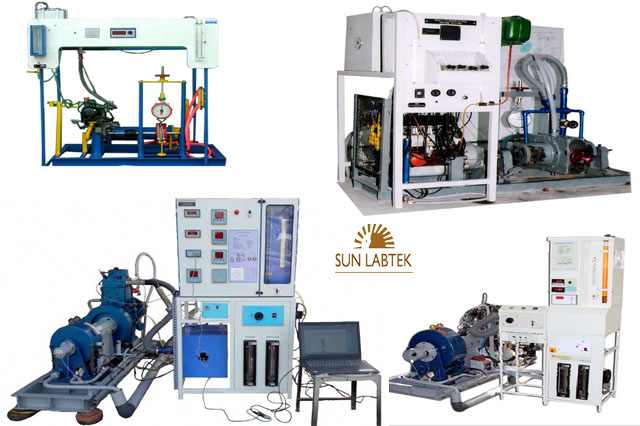
The course involves the study and use of devices and instruments to measure pressure, temperature level, flow, speed, weight, area, volume, viscosity, steam quality, and products of combustion. It also includes the study and analysis of fuels and lubricants.
- Faculty: Richard Aballe
- Faculty: Jhon Rey Sardido
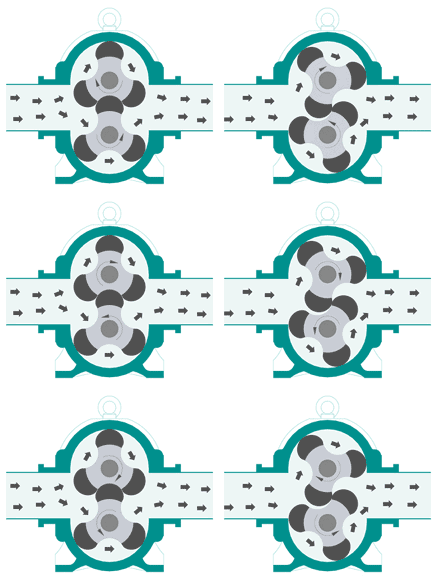
The course is a comprehensive study of the principles and theories in the proper operation, selection and application of the most commonly used fluid machineries such as pumps, fans, blowers, compressors and turbines.
- Faculty: Richard Aballe
- Faculty: Vanessa Pastor
- Faculty: Jhon Rey Sardido
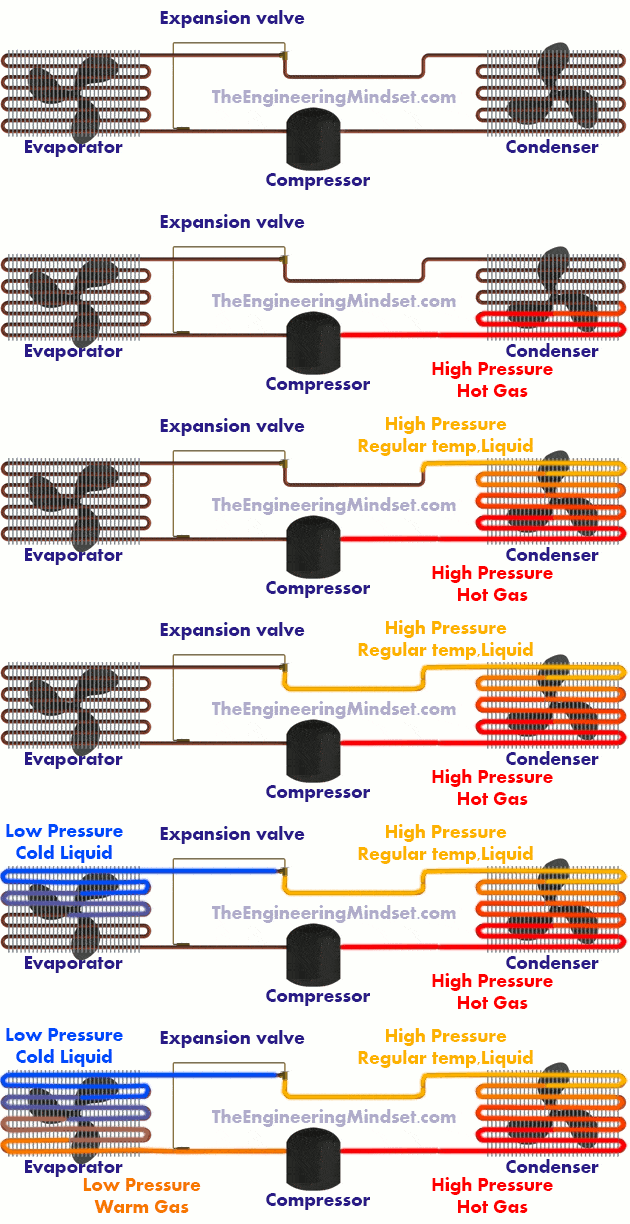
This course is designed to provide a thorough foundation of the thermodynamic principles and components of mechanical refrigeration systems; cycles and associated equipment, and the effect of their operation on the environment.
- Faculty: Richard Aballe
- Faculty: Jhon Rey Sardido